

Objective
This blog helps Didcot homeowners understand the main points to consider before installing bay windows, including design, materials, glazing, structural work, regulations and costs.
Key Takeaways
- Choose a bay window that suits your property’s appearance.
- Compare uPVC, aluminium and timber frames.
- Check glazing performance and insulation.
- Confirm structural and planning requirements.
- Get a clear, itemised installation quotation.
- Check the installer’s experience and guarantee.
Introduction
A bay window can make a room feel brighter, give you extra space and change the look of your home. But before you order one, there are a few important things to check. The right window needs to suit your property, provide good insulation and meet the relevant building requirements.
If you are thinking about Bay Windows Didcot, it can give you an insight into the installation process and help you make a better choice and prevent unforeseen costs. From selecting the frame material to checking planning permission, here are seven things worth knowing before you start.
Table of Contents
- Choose the Right Bay Window Design
- Select the Best Frame Material
- Check Glazing and Energy Efficiency
- Understand Structural Requirements
- Check Planning Permission and Building Regulations
- Plan Your Bay Window Installation Cost
- Choose a Reliable Local Installer
1. Choose the Right Bay Window Design
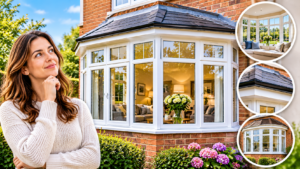
A bay window is a window that projects outwards from the main wall of a building. It usually has several glass panels arranged at an angle or in a curved shape. This design allows light to enter from different directions and can create extra usable space inside a room.
Before choosing one, consider these common options:
- Canted bay windows: Have a flat front and angled sides. They are a common choice for traditional British homes.
- Box bay windows: Have a square shape with straight sides, giving rooms a clear, defined extension.
- Bow windows: Use several panels to form a gentle curve across the front of the property.
Think about your existing brickwork, room size and window proportions. A design that suits a Victorian house may not look right on a modern property.
2. Select the Best Frame Material
The frame material affects the window’s appearance, maintenance needs and overall cost. Compare your options before requesting a quotation.
| Material | Main benefits | Things to consider |
| uPVC | Low maintenance and good insulation | Frame profiles can be wider |
| Aluminium | Slim frames and a modern appearance | May cost more initially |
| Timber | Traditional appearance | Needs regular care and protection |
If you want a low-maintenance, practical solution, you might want to consider uPVC bay windows. Aluminium may be a good fit for homes wanting more glass, while timber can be a good choice for traditional homes.
3. Check Glazing and Energy Efficiency
The glass is just as important as the frame. Double glazing uses two panes of glass with a sealed gap between them. This helps reduce heat transfer and can make a room more comfortable.
You can also consider triple glazing, which uses three panes and two insulating gaps. However, more panes do not automatically mean the best choice for every home.
Before ordering, ask about:
- The whole-window U-value, which measures heat transfer.
- Low-emissivity glass and insulating gas within the sealed unit.
- Draught-proof seals around the frame.
- Ventilation and condensation control.
The current Approved Document L guidance explains energy-efficiency requirements for building work in England. Your installer should confirm which requirements apply to your project.
4. Understand Structural Requirements
A bay window is a window that sticks out from the main wall and needs the right support. This is especially important if you are creating a new opening as opposed to replacing an existing window.
Ask your installer to check:
- The condition and measurements of the existing opening.
- Whether a suitable lintel or other structural support is needed.
- How the projection will be supported.
- How the frame, wall and roof junctions will be sealed against water.
You may need to change the wall finish and external finishes when replacing a flat front window with a projecting bay. A qualified building professional should assess any structural alterations before work begins.
5. Check Planning Permission and Building Regulations
Do not assume that every bay window can be installed without approval.
According to the Planning Portal, a new bay window is treated as an extension and may require planning permission. Listed buildings and properties in conservation areas can also have extra restrictions.
Building regulations are a separate matter. Replacement glazing must meet relevant requirements for thermal performance, safety and ventilation.
Ask whether your installer is registered with an appropriate competent person scheme, such as FENSA or CERTASS, where the work is eligible. Check what compliance certificate you will receive when the work is complete.
6. Plan Your Bay Window Installation Cost
The bay window installation cost depends on more than the size of the glass. Your final quotation may vary according to:
- Frame material and glazing specification.
- Number of panels and overall dimensions.
- Labour and fitting requirements.
- Structural alterations, if needed.
- Removal of the old window and finishing work.
Request an itemised quotation rather than comparing prices alone. Check whether waste removal, internal finishing, external sealing and guarantees are included.
A useful step is to ask for the cost of the complete installation before approving the order. This makes it easier to plan your budget.
7. Choose a Reliable Local Installer
Good products still need careful fitting. Poor measurements or weak sealing can lead to draughts, water leaks and problems with window operation.
When comparing a bay window company in Didcot, check its previous work, customer feedback, installation credentials and aftercare arrangements.
The website of Didcot Windows and Doors describes a process that includes an initial consultation, precise measurements, a written quotation, professional fitting, removal of old units and a final inspection. The company also advertises a 10-year guarantee on its installations.
You can explore its window installation services to learn more about its available window options.
A Quick Checklist Before You Order
Before confirming your installation, make sure you have:
- Selected the right window design and frame material.
- Checked the glazing specification.
- Confirmed whether structural work is needed.
- Checked planning and building requirements.
- Received a written quotation.
- Asked about installation guarantees and compliance documents.
This simple check can help prevent misunderstandings once the work begins.
Make the Right Choice for Your Didcot Home
Installing a bay window is a significant home improvement, so take time to check the design, materials, glazing, structure and total cost. If you are planning Bay Windows Didcot, speak to an experienced installer before placing your order.
Request a free, no-obligation quote from Didcot Windows and Doors today.
Frequently Asked Questions
1. Do I need planning permission to install a bay window in Didcot?
A new projecting bay window may require planning permission because it is treated as an extension. Check with the local planning authority before work starts.
2. Which material is best for bay windows?
uPVC is a practical, low-maintenance option. Aluminium gives slim frames, while timber can suit traditional properties.
3. How much does bay window installation cost?
The price depends on dimensions, materials, glazing, labour and structural work. Request a written quotation based on your property.
4. Are double-glazed bay windows energy efficient?
Double glazing reduces how much heat is lost through the glass. The overall window’s performance is also dependent on the frame, seals and installation quality.
5. How long does it take to install a bay window?
The time depends on the window design, property and work involved. A straightforward replacement may take less time than an installation requiring structural changes. Ask your installer for a project-specific schedule.